
Agile vs Waterfall Project Management: Key Differences in 2026
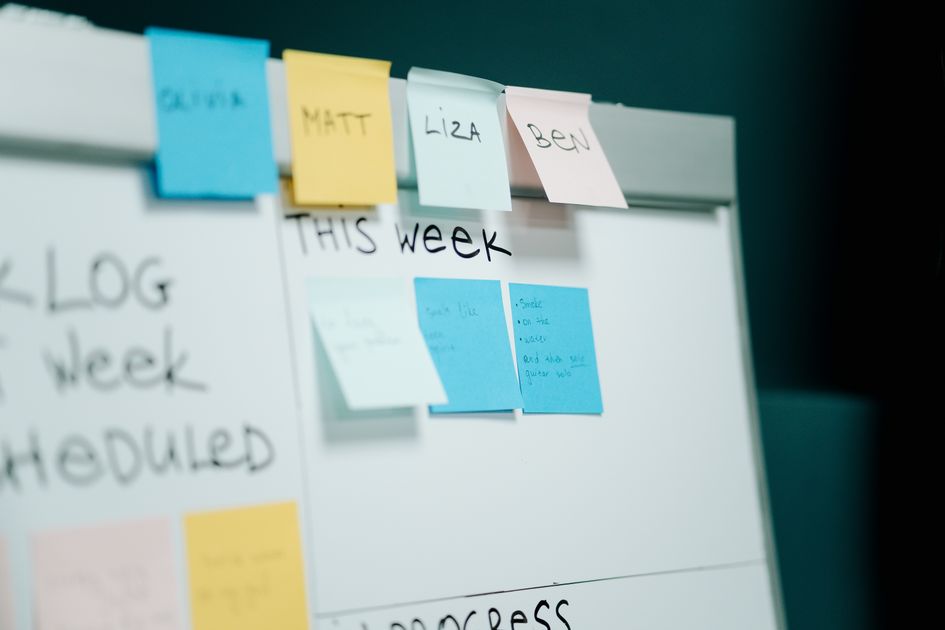
Photo by cottonbro studio on Pexels
Two methodologies dominate project management: Waterfall (sequential, plan-first) and Agile (iterative, adaptive). They’re often pitched as opposites, but in 2026 most successful teams use a hybrid — Waterfall for scope and timeline, Agile for execution. Understanding when each shines (and when each fails) determines whether your projects ship on time and on budget.
Quick Definitions
- Waterfall: Sequential project phases (requirements → design → build → test → deploy). Each phase completes before the next begins.
- Agile: Iterative cycles (sprints) of 1–4 weeks. Plan, build, ship, learn, repeat.
At-a-Glance Comparison
| Feature | Waterfall | Agile |
|---|---|---|
| Approach | Sequential | Iterative |
| Planning | Up-front, comprehensive | Continuous, lightweight |
| Change tolerance | Low | High |
| Customer involvement | Beginning + end | Continuous |
| Documentation | Heavy | Lightweight |
| Best for | Fixed-scope projects | Evolving requirements |
| Risk profile | Late-stage failures common | Early failures, easier to recover |
| Team size sweet spot | Any | 5 – 9 per team (Scrum) |
When Waterfall Wins
- Construction projects — pouring concrete can’t be re-iterated
- Regulated industries — pharmaceuticals, aerospace require documented sign-offs
- Fixed-budget contracts — clients need scope locked
- Hardware development — long manufacturing lead times
- Compliance projects — audit trail required at each phase
When Agile Wins
- Software development — requirements evolve as users provide feedback
- Marketing campaigns — A/B test and adjust constantly
- Product startups — validating product-market fit
- Internal tools development — fast feedback from internal users
- Innovation/R&D projects — outcome unknowable up front
Cost Comparison: 6-Month Software Project
| Approach | Up-Front Planning | Mid-Project Adjustments | Total Cost Profile |
|---|---|---|---|
| Waterfall | High ($30K) | Expensive change orders | Predictable but rigid |
| Agile | Low ($5K) | Built-in adjustment | Flexible budget, easier scope changes |
| Hybrid | Medium ($15K) | Moderate flexibility | Balanced |
Common Agile Frameworks
| Framework | Best For |
|---|---|
| Scrum | Cross-functional product teams |
| Kanban | Continuous workflow (support, ops) |
| SAFe (Scaled Agile) | Enterprise (multiple teams) |
| Lean | Manufacturing-influenced operations |
| Extreme Programming (XP) | Software dev with strong technical practices |
How Waterfall Phases Work
- Requirements gathering — what does the project need to do?
- Design — how will we build it?
- Implementation — build it
- Verification — test it
- Maintenance — keep it running
Each phase produces deliverables signed off before the next begins.
How Agile Sprints Work
- Backlog grooming — prioritize a list of features/tasks
- Sprint planning — pick what fits in the next 1–4 weeks
- Daily standups — 15-minute syncs on progress and blockers
- Sprint review — demo completed work to stakeholders
- Retrospective — reflect and improve the process
Repeat indefinitely.
Hybrid Approaches
Most modern teams blend the two:
| Hybrid Model | How It Works |
|---|---|
| Wagile | Waterfall structure, Agile execution within each phase |
| Scrumfall | Scrum sprints inside Waterfall phases |
| Water-Scrum-Fall | Waterfall for analysis & deployment, Scrum for development |
Tools That Support Each
| Methodology | Best Tools |
|---|---|
| Waterfall | Microsoft Project, TeamGantt, Smartsheet |
| Agile (Scrum) | Jira, Linear, ClickUp, Asana |
| Agile (Kanban) | Trello, Monday.com, Jira |
| Hybrid | ClickUp, Asana, Wrike |
See Best Project Management Software.
When Each Methodology Fails
Waterfall fails when:
- Requirements change mid-project
- Customer can’t define needs up front
- Project spans 12+ months
- Technology evolves during the timeline
Agile fails when:
- Team isn’t trained in the methodology
- Stakeholders refuse continuous involvement
- Fixed-scope contract is required
- Team is too large (10+ in one Scrum team)
Recommended Resources
💡 Best Agile tool: Linear — modern Scrum and sprint management.
💡 Best Waterfall tool: Smartsheet — Gantt, dependencies, baselines.
💡 Best hybrid tool: ClickUp — supports both methodologies natively.
FAQ — Agile vs Waterfall
Q: Is Agile better than Waterfall? A: Neither — they suit different project types. Software dev usually benefits from Agile; construction usually requires Waterfall.
Q: Can a team use both methodologies? A: Yes — many enterprises run Waterfall for high-level scope while using Agile within development teams.
Q: How long are Agile sprints? A: Typically 1–4 weeks. Two weeks is most common.
Q: What’s the most popular Agile framework? A: Scrum, used by ~70% of Agile teams. Kanban is second.
Q: Do small teams need Agile? A: Not strictly — small teams can succeed with informal processes. Agile becomes essential at 5+ people.
Related Reading on Finerogold
- Best Project Management Software of 2026
- Asana vs Monday vs ClickUp
- How to Choose Project Management Software
- Kanban vs Gantt Charts
- Best PM Software for Remote Teams
Bottom Line
Use Waterfall for fixed-scope projects with regulated phases (construction, pharma, aerospace, hardware). Use Agile for evolving requirements (software, marketing, product). Most modern teams hybridize: Waterfall structure for scope and budget, Agile execution within each phase. Pick tools that support both — ClickUp, Asana, and Wrike all do.
This article is for informational purposes only.
By Finerogold Editorial · Updated May 9, 2026
- agile
- waterfall
- methodology